
Understanding Harrison’s Income Tax
The City of Harrison uses a one percent earned income tax to support essential services, long-term planning, and core infrastructure. Below is a brief overview of how the tax works, why recent changes were made, and where to go with questions.
How Harrison’s Income Tax Works
Residents who live within the City of Harrison, including all annexed areas, pay a one percent earned income tax. This revenue supports City operations, public safety, infrastructure maintenance, and future planning needs.
The City partners with the Regional Income Tax Agency, commonly known as RITA, to administer and collect the tax. RITA provides professional tax collection services at a cost to the City of less than three percent, allowing Harrison to manage collections efficiently while keeping administrative costs low.
Need Help With Your RITA Account?
Residents who have questions or concerns related to income tax filings or RITA notices are encouraged to reach out for assistance.
The City’s Tax Commissioner and Finance Director, Kim Downey, is available to help residents navigate income tax questions.
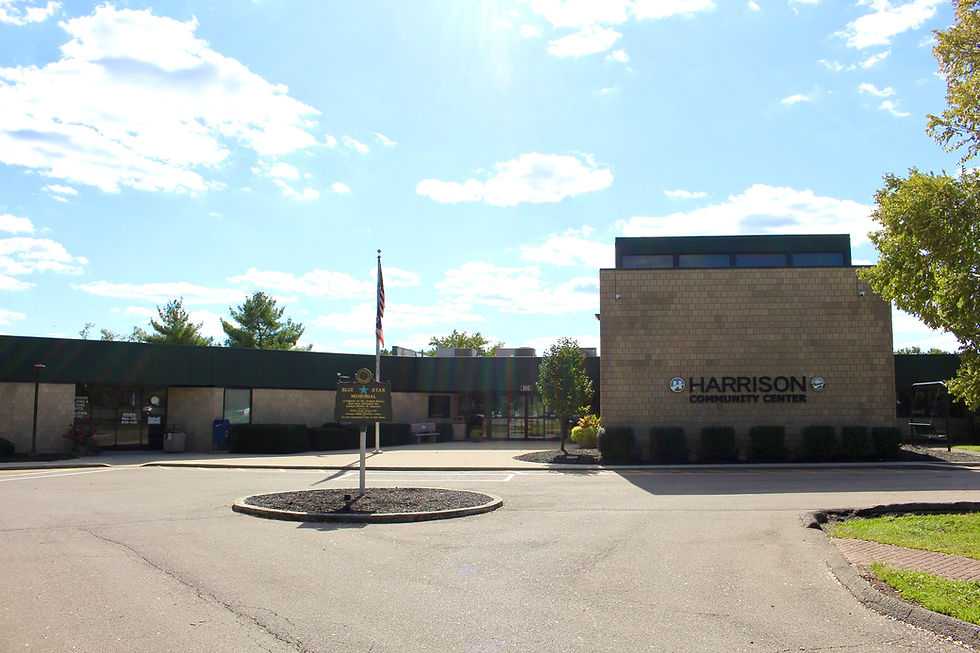
To schedule an appointment, residents may contact the Harrison Community Center at (513) 367-2111. The receptionist will assist with scheduling. Residents may also contact Kim Downey directly by email at kdowney@harrisonohio.gov or by phone at (513) 367-3732.
Why the Income Tax Credit Was Eliminated
In 2025, Harrison City Council made the decision to eliminate the municipal income tax credit. As a result, residents who work in Ohio cities or out of state no longer receive a credit on their Harrison income tax.
This change reflects the absence of tax reciprocity between the City of Harrison and these local governments. Because income earned outside the City is not subject to reciprocal agreements, it cannot be offset by a municipal tax credit.
Planning for Public Safety and Infrastructure
Eliminating the income tax credit also supports the City’s ability to plan responsibly for future needs.
While City Council did not renew the Fire Levy, the City must still ensure access to funding for critical public safety infrastructure. One identified concern is the potential need for a future fire station in the northern area of the City, where emergency response times currently exceed acceptable standards.
Harrison also continues to face ongoing infrastructure needs, including road construction and maintenance. Approximately seventy percent of Harrison residents work outside the City. Ensuring that income taxes are paid where residents live allows the City to plan for long-term investments, including roadway improvements that residents have consistently identified as priorities.
Staying Informed
Understanding how local taxes work and how those dollars are used is an important part of civic life. The City of Harrison remains committed to transparency and encourages residents to reach out with questions or concerns.


Comments